
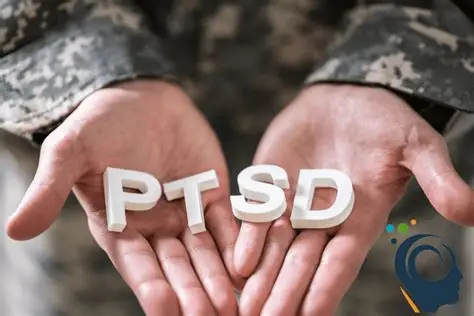
Some wounds aren’t visible — they don’t leave scars you can see, but they can run deep, affecting the mind, body, and soul. Post-Traumatic Stress Disorder (PTSD) is one such wound. It can arise after experiencing or witnessing a deeply distressing or life-threatening event, and while it’s often associated with soldiers and veterans, PTSD can affect anyone.
From accident survivors to victims of abuse, natural disasters, or loss, PTSD reminds us that trauma does not discriminate — and that healing is possible.
What Is PTSD?
PTSD is a mental health condition that develops after a person experiences or witnesses a traumatic event. These events might include:
- Serious accidents
- Natural disasters
- Physical or sexual assault
- War or combat
- Sudden loss of a loved one
- Childhood abuse or neglect
While it’s normal to feel afraid or anxious after trauma, most people gradually recover. However, for some, the distress doesn’t fade — it lingers and intensifies, disrupting daily life. That’s when it may be diagnosed as PTSD.
Symptoms of PTSD
PTSD symptoms can appear soon after trauma or take months (sometimes years) to surface. They’re typically grouped into four main categories:
- Intrusive Memories:
- Flashbacks (reliving the event as if it’s happening again)
- Nightmares or distressing dreams
- Intense emotional or physical reactions to reminders of the trauma
- Avoidance:
- Avoiding people, places, or activities that trigger memories of the event
- Withdrawing from loved ones or losing interest in things once enjoyed
- Negative Changes in Thinking and Mood:
- Feelings of hopelessness, guilt, or shame
- Difficulty trusting others
- Emotional numbness or detachment
- Changes in Physical and Emotional Reactions:
- Being easily startled or feeling “on edge”
- Trouble sleeping or concentrating
- Irritability or angry outbursts
Not everyone experiences PTSD the same way — for some, it’s loud and visible; for others, it’s quiet and internal.
Who Can Develop PTSD?
Anyone can develop PTSD, regardless of age, gender, or background. However, certain factors increase the risk, such as:
- Experiencing intense or repeated trauma
- Lack of social support after the event
- History of depression, anxiety, or substance use
- Working in high-stress professions (e.g., first responders, healthcare workers, military personnel)
The Science Behind PTSD
Trauma affects the brain’s chemistry and structure — particularly areas like the amygdala (fear response), hippocampus (memory), and prefrontal cortex (emotional regulation). When trauma isn’t processed properly, the brain continues to react as if the danger is still present, keeping the person in a constant state of alertness.
This biological understanding helps explain why PTSD is not simply a “mental weakness,” but a real, physiological condition.
Breaking the Stigma
Too often, people with PTSD are told to “move on” or “forget about it.” But trauma can’t be erased — it must be healed through understanding, time, and support.
Breaking the stigma around PTSD begins with empathy. When we listen without judgment and create safe spaces for people to share their stories, we open the door to healing.
Treatment and Healing
PTSD is treatable, and recovery is possible with the right combination of therapy, support, and self-care.
- Therapy:
- Trauma-Focused Cognitive Behavioral Therapy (CBT) helps reframe distressing thoughts.
- Eye Movement Desensitization and Reprocessing (EMDR) uses guided eye movements to process traumatic memories.
- Exposure Therapy can help reduce fear and avoidance over time.
- Medication:
- Antidepressants or anti-anxiety medications can help manage symptoms under professional supervision.
- Support Systems:
- Talking to trusted friends, family, or support groups can provide connection and understanding.
- Self-Care:
- Regular exercise, mindfulness, journaling, and grounding techniques can help manage stress and anxiety.
Healing from PTSD is not about forgetting the trauma — it’s about learning to live beyond it.
When to Seek Help
If you’re experiencing flashbacks, nightmares, emotional numbness, or hypervigilance that interfere with your daily life, it’s important to seek professional help.
You are not alone. Therapists, psychiatrists, and trauma specialists can provide the tools you need to rebuild safety and trust — both in the world and within yourself.
If you ever feel in crisis or have thoughts of self-harm, contact your local mental health helpline or, if you’re in the U.S., call the 988 Suicide & Crisis Lifeline for immediate support.
No comment