
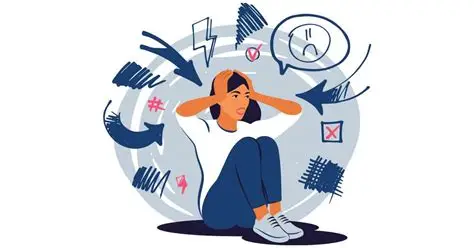
In today’s fast-paced, always-connected world, feeling stressed or worried is almost inevitable. But for millions of people around the globe, that worry doesn’t just come and go — it lingers, intensifies, and sometimes takes over daily life. This is the reality of anxiety, one of the most common mental health challenges of our time.
Despite how widespread it is, anxiety is often misunderstood or minimized. “Just relax,” people say — but for someone with an anxiety disorder, it’s not that simple. Let’s take a closer look at what anxiety really is, how it affects us, and how we can manage it with compassion and care.
What Is Anxiety?
Anxiety is a natural emotion — a part of the body’s fight-or-flight response. It helps us stay alert and respond to danger or stress. A little anxiety before an exam or big presentation is normal and can even be motivating.
However, when anxiety becomes persistent, intense, or disproportionate to the situation, it can interfere with daily functioning. This is when it may be diagnosed as an anxiety disorder.
Types of Anxiety Disorders
Anxiety can take many forms. Some of the most common include:
- Generalized Anxiety Disorder (GAD): Constant and excessive worry about everyday matters — work, health, relationships — often without a clear reason.
- Panic Disorder: Sudden, intense panic attacks accompanied by physical symptoms like a racing heart, shortness of breath, or dizziness.
- Social Anxiety Disorder: Extreme fear of being judged or embarrassed in social situations.
- Specific Phobias: Intense fear of particular objects or situations (like heights, spiders, or flying).
- Obsessive-Compulsive Disorder (OCD) and Post-Traumatic Stress Disorder (PTSD): Though distinct conditions, both involve anxiety as a key component.
Common Symptoms of Anxiety
While anxiety can look different for everyone, some common physical and emotional signs include:
- Constant worry or fear
- Restlessness or feeling “on edge”
- Rapid heartbeat or chest tightness
- Sweating, trembling, or shortness of breath
- Difficulty concentrating
- Sleep problems or fatigue
- Digestive issues (like nausea or stomach pain)
These symptoms can feel overwhelming, especially when they appear without an obvious cause.
What Causes Anxiety?
Anxiety doesn’t have a single cause. It’s often a mix of biological, psychological, and environmental factors, such as:
- Genetics: Family history of anxiety or mood disorders.
- Brain Chemistry: Imbalances in neurotransmitters like serotonin or dopamine.
- Personality: People who are naturally more sensitive or perfectionistic may be more prone.
- Trauma and Stress: Past trauma or chronic stress can trigger or worsen anxiety.
- Lifestyle Factors: Caffeine, poor sleep, or substance use can heighten symptoms.
Breaking the Stigma Around Anxiety
Too often, people with anxiety hear dismissive comments like “You’re overreacting” or “It’s all in your head.” These responses not only minimize the condition but also discourage people from seeking help.
The truth is — anxiety is real, valid, and treatable. Talking about it openly helps normalize mental health struggles and reminds those affected that they’re not alone.
Managing and Treating Anxiety
There’s no one-size-fits-all solution, but a combination of approaches often leads to effective management and recovery:
- Therapy:
- Cognitive Behavioral Therapy (CBT) helps reframe anxious thoughts and change behavioral patterns.
- Mindfulness-based therapy and exposure therapy can also reduce symptoms.
- Medication:
- Antidepressants or anti-anxiety medications may help balance brain chemistry when prescribed by a professional.
- Lifestyle Changes:
- Regular exercise and a balanced diet
- Consistent sleep schedule
- Limiting caffeine and alcohol
- Deep breathing, meditation, or yoga
- Support Systems:
- Talking to trusted friends or joining support groups can provide relief and perspective.
When to Seek Help
If anxiety feels constant, affects your ability to work, study, or maintain relationships — or leads to panic attacks or avoidance — it’s time to seek help from a mental health professional. Early intervention can prevent symptoms from worsening and improve quality of life.
Remember: seeking help is not a sign of weakness; it’s an act of self-care and courage.
No comment