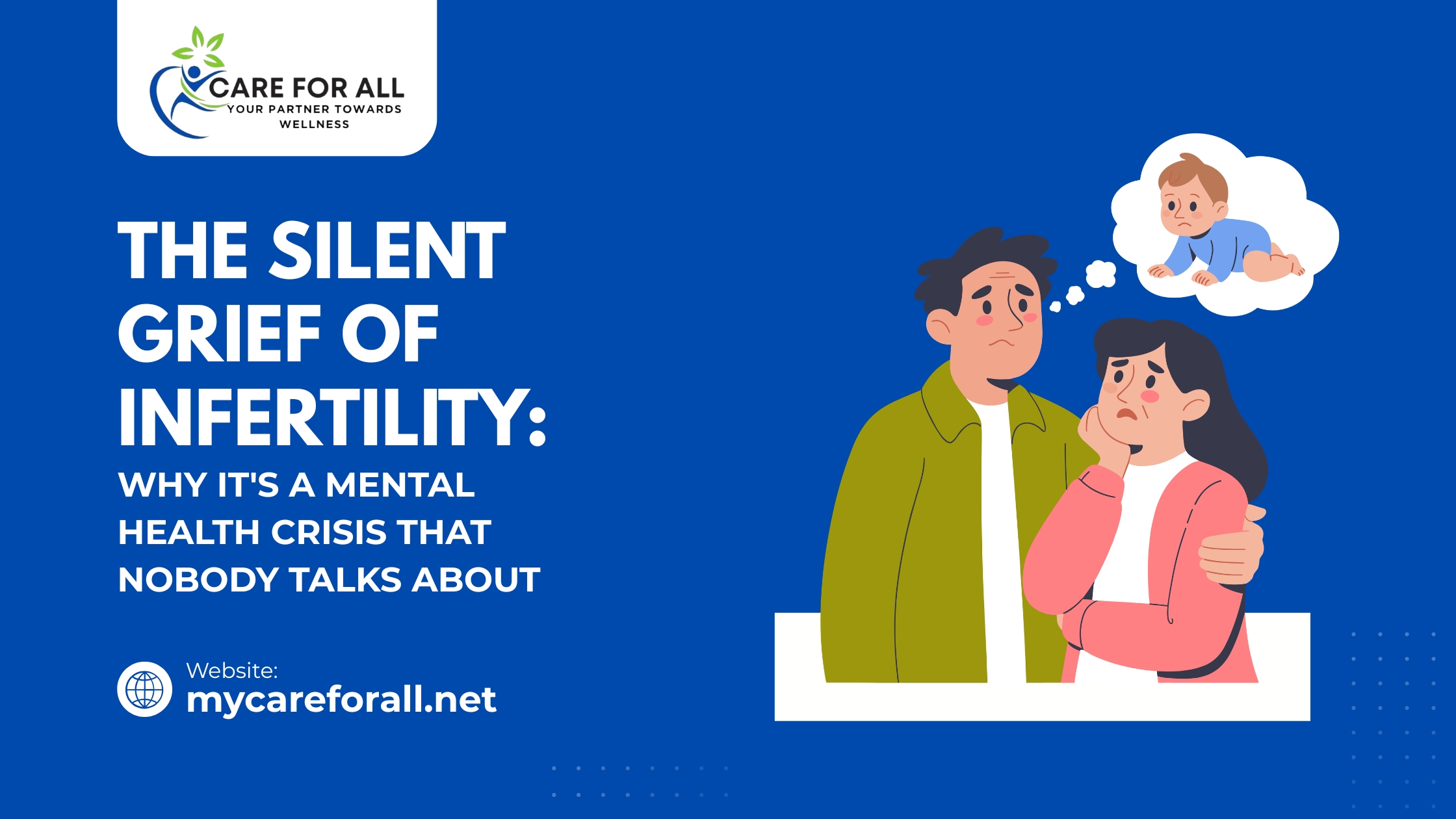
The infertility loss suffered by millions of people goes unnoticed despite its horrific effects. Other losses that the society easily recognizes are weighed compared to the emotional loss that infertility entails. The problem of this mental health crisis of infertility is prevalent in all countries and among couples all over the world, yet the stigma surrounding infertility does not allow for discussing it openly and providing proper support to those affected. Pain that remains secreted by the infertility gene causes isolation at a time when one needs to be closer to others.
To comprehend why infertility is a mental health crisis, it is important to realize the far-reaching psychological implications of infertility. The emotional suffering that infertility causes is comparable to that caused by other large-scale life traumas, and the subject of infertility is a taboo in the vast majority of social circles.
The Invisible Nature of Loss
Infertility is a special kind of ambiguous loss: infertility in which you are grieving the presence of someone that never came into existence and yet is very real. This disenfranchised grief of infertility is not socially acknowledged; thus, grieving is even more challenging. The unrecognized grief caused by infertility is also confusing because there are no rituals and recognition of such a loss by society.
The invisible losses are not sympathy-normalized and supported, unlike the visible losses, which need to be announced publicly and receive sympathy and be supported accordingly. This is because the aspect of infertility among individuals is a silent torment that exacerbates the situation since they are pressured to mourn in solitude. The silent sorrow that infertility brings implies that no one is aware of your woe, so that there can be reduced pain from infertility when people deny the severity of your misery.
Mental Health Consequences
The infertility mental health crisis is expressed in various conditions. Infertility is a condition that affects up to 50 per cent of the infertile population, which is equal to cancer and cardiac patients. The infertility depression gives persistence to sadness, hopelessness, and infertility, which taint all the goals of life.
The treatment of anxiety creates never-ending concern as to results, money, and possibilities. The anxiety of infertility is not only limited to treatment but also to social events, workplaces, and family functions. Other people are infertile with PTSD because of the traumatizing medical treatments or tragic loss.
Identity Crisis and Self-Worth Crisis
Infertility produces a deep identity crisis as persons doubt their essence of self. Identity loss is especially experienced by those individuals who have always had children in their dreams. Ideas of womanhood, infertility, and manhood get mixed up with the idea of reproduction, even though fertility is not the measure of value.
The body betrayal brings forth hostile associations with the body. The self worth infertility is driven to its lowest level as people internalize that they have failed, although infertility is a health condition, out of their control. This lower feeling of worth cuts across all areas of life, such as confidence in career to relationship security.
Social Isolation and Stigma
The infertility seclusion is caused by self-imposed withdrawal as well as societal exclusion. This makes the process of infertility an even more lonely experience since no one can offer understanding or proper support of your grief. The social stigma of infertility does not allow for discussion, and with the help of the cultural silence of infertility, the old taboos can be kept.
Misunderstood grief, infertility comes in when good men say platitudes such as, just relax, it will happen when it is ready. Such nullified emotions strain the person, rather than comforting them. Disregarded emotions imply infertility on the part of medical practitioners, family members, or friends, and increase isolation.
Relationship Impact
There are several stressors that infertility has on marriage. The conflict of the coping styles, disagreements in treatment, and accumulation of disappointments are the factors that lead to relationship strain and infertility. The grief that follows when a couple becomes infertile has different ways for different partners, and they may make them disconnected at the moment when they are supposed to be connected.
Partnership stress infertility is a kind of planned sex that is regulated by fertility cycles, eliminating humor and enjoyment. The problems of intimacy bring about infertility, whereby sex is practiced as a clinical procedure and not as an expression of love. These marriage issues make infertility a marriage strain even in good relationships.
Treatment Related Trauma
The IVF emotional cost does not only arise when it comes to physical processes, but it also includes psychological costs. Stress on fertility treatment builds up over a series of cycles, with every cycle filled with hope and fear. During this period, the treatment cycle anxiety is at the highest point as it is during the two-week waiting period between the procedures and pregnancy tests.
The medical trauma is infertility that involves invasive surgery, surveillance, and a lack of bodily agency. Distress is aggravated by the hormonal and emotional influences of medications. Every unsuccessful attempt makes the wound open repeatedly, and it exhausts the emotional resources.
Finding Hope and Support
It is necessary to balance hope for fertility treatment on one hand against being devastated by disappointment on the other. The hope in the process of infertility helps you in times of trouble. Infertility is, however, brought about by loss of hope as a result of a series of failures. The hope of fatigue infertility defines fatigue as being too optimistic. Realistic hope in infertility fosters the act of uncertainty, but with an open mind.
Breaking the Silence
The awareness of infertility increases with more individuals telling their stories. Learning about infertility grief entails education and compassion. Teaching about infertility lowers the stigma and isolation. Violence against silence enables others to demand support. The campaign against infertility and advocacy for infertility mental health breeds change.
Caring Following Your Fertility Path
The process of physical and emotional responses through infertility needs particular mental health support, knowledgeable of this special grief. Care For All offers mental health counseling that is compassionate in tackling the infertility mental health issue. Their style authenticates your suffering with evidence-based solutions to anxiety, depression, and relationship stress.
Care For All treats infertility as a whole experience by understanding the fact that it can impact mental, physical, and relational health. To those who are willing to no longer live silently in pain and undergo the sympathetic care this crisis is all about, their specialized services provide true insight and effective treatment channels through one of the toughest paths of life.
Frequently Asked Questions
What do I do when there is a pregnancy announcement, and I have an issue with fertility?
Permit yourself to experience whatever comes, such as sadness, anger, jealousy, as well as the happiness of others.
Is there anything normal about thinking that my loss is worse than the other types of loss?
Grief is not competitive, but infertility loss does present some special challenges, such as its ambiguity, persistent nature, social disidentification, as well as years-long insinuation.
When is it time to enlist the professional assistance of a mental health to cope with infertility grief?
Seek assistance when grief becomes disruptive to your everyday functioning, your relationships with others have been severely impacted, you have recurring self-harm thoughts, substance use escalates to cope, you show signs of physical affliction, or you are so hopelessly low constantly.